

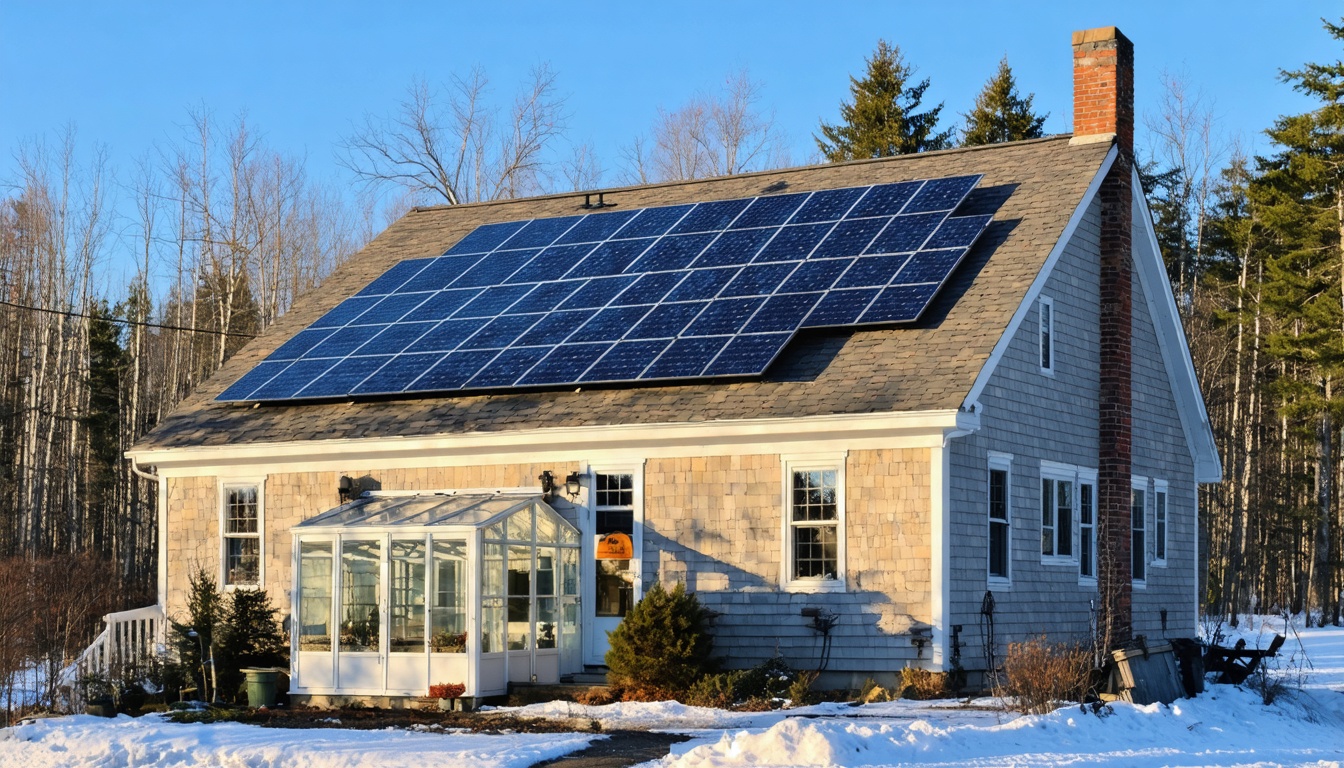
How New Hampshire Homeowners Can Make the Most of Their Solar Potential
If you reside in New Hampshire, utilizing solar energy can lead to reduced utility bills, increased property value, and a decreased environmental impact. The current landscape includes local incentives and technological advancements that make the adoption of solar energy more feasible than in previous years. However, before proceeding, it is essential to evaluate the various solar systems, associated costs, and strategies that align with your specific home and financial objectives. A thorough consideration of the available options will provide a clearer understanding of what is achievable within your circumstances. This analysis should include potential return on investment, payback periods, and available tax incentives or rebates that could influence the overall cost-effectiveness of solar energy installation in your situation.
Understanding the Financial Benefits of Solar Energy
The financial benefits of solar energy in New Hampshire are influenced by both high local electricity rates and available state incentives. Homeowners who install solar panels may experience a decrease in their electric bills, with some reporting only minimal connection fees to their utility providers.
New Hampshire offers several programs, including the Solar Tax Credit, net metering, and property tax exemptions, which can help to alleviate initial installation costs. Over time, these incentives can contribute to significant savings, potentially amounting to several thousand dollars.
Additionally, homeowners have the opportunity to generate income from excess energy produced by their solar panels, which can be sold back to the grid in the form of Renewable Energy Certificates.
Although New Hampshire's colder climate may appear to limit solar energy effectiveness, solar energy systems can still offer long-term financial advantages while fulfilling both energy and heating needs.
Managing Power Outages with Solar and Battery Systems
As weather-related power outages become more frequent in New Hampshire, homeowners may consider integrating solar panels with battery storage systems to ensure a reliable electricity supply.
This combination allows households to access stored energy during both emergency and scheduled outages, which can help meet electricity demands while reducing reliance on utility providers.
Investing in solar and battery systems involves significant upfront costs; however, various incentive programs are available to help minimize these expenses.
These include federal and state tax credits, as well as low-interest loans aimed at making the transition to solar more affordable. Additionally, net metering is an option that enables homeowners to return surplus energy generated by their solar systems to the grid, potentially resulting in savings on monthly electricity bills.
Homeowners interested in these systems should consult with local dealers, who can provide tailored guidance based on individual needs and circumstances.
For more details, please refer to our privacy policy and Terms of Use.
Environmental Advantages of Solar Adoption
The adoption of solar energy in New Hampshire presents several environmental benefits for homeowners and the state as a whole. By transitioning to solar power, residents contribute to the preservation of air and water quality, which supports local ecosystems and wildlife. Solar energy reduces reliance on fossil fuels, decreasing greenhouse gas emissions and mitigating climate change impacts.
New Hampshire's unique climate influences energy consumption patterns. Solar technology enables homeowners to offset their electricity needs, which can lead to lower energy costs. Any excess energy produced can be fed back into the grid, offering financial benefits through net metering programs. These programs allow homeowners to receive credits for the energy they supply, resulting in potential savings over time.
In addition to financial incentives, state and federal programs exist to further promote solar adoption, making it a viable option for many households. By investing in solar energy, residents not only seek to reduce their utility expenses but also contribute to the long-term conservation of New Hampshire's natural landscapes.
Available Incentives and Tax Credits for New Hampshire Homeowners
Homeowners in New Hampshire have access to various incentives and tax credits that can make the investment in solar energy systems more financially feasible. One significant incentive is the federal Solar Investment Tax Credit (ITC), which currently allows homeowners to deduct 26% of their solar installation costs from their federal taxes. This tax credit can effectively reduce the upfront financial burden of solar panel installations.
In addition to the federal ITC, New Hampshire has implemented performance-based incentive programs such as the Renewable Energy Generation Incentive (REGI). These programs provide homeowners with financial compensation based on the actual amount of electricity generated by their solar energy systems, thus helping to minimize overall energy expenses.
New Hampshire's net metering policy also offers benefits to homeowners by allowing them to return surplus electricity generated back to the grid. By doing so, they can accumulate credits against their utility bills, which may aid in the management of monthly energy costs.
Furthermore, homeowners might take advantage of property tax exemptions related to any increase in property value resulting from solar installations. Additionally, they have the opportunity to earn income from Renewable Energy Certificates (RECs).
Collectively, these incentives work to decrease long-term energy rates and monthly electric bills, which may enhance the overall return on investment for solar energy systems in New Hampshire. These financial mechanisms promote the adoption of renewable energy in the state and provide homeowners with viable options to manage their energy expenditures more effectively.
Estimating the Cost of a Solar Panel System
Cost considerations are a crucial aspect of evaluating the installation of solar panels on a home in New Hampshire. The average cost for a typical solar system in the state is around $34,122, with a possible range from $29,004 to $39,240. This price variation is influenced by specific electricity needs and regional weather conditions.
In addition to the initial investment, various incentive programs can notably affect the overall expenses. Programs such as property tax exemptions, net metering, and the federal Solar Investment Tax Credit may collectively reduce long-term costs significantly.
Homeowners should review the current rates set by local utility companies and consider the possibility of sending excess energy back to the grid, as these elements can further decrease electric bills.
In summary, individuals considering solar panel installations in New Hampshire should conduct a detailed analysis of both the installation costs and the available incentives to arrive at a well-informed decision.
Financing Options for Solar Installations
Evaluating financing options for solar installations is a critical aspect for homeowners in New Hampshire. There are several methods available for financing a solar system: outright purchase, solar loans, leases, and Power Purchase Agreements (PPAs).
Purchasing a solar system outright or financing it through a loan may offer homeowners significant long-term savings. Both methods can provide access to various financial incentives, such as federal tax credits and net metering programs, which can help lower electricity costs over time. These options often allow homeowners to retain ownership of the system, thereby enabling them to benefit from any energy savings and incentives directly.
In contrast, solar leases and PPAs typically involve reduced initial costs and may not require any upfront payment. This can make solar energy more accessible to individuals who may not have the capital for an outright purchase or a loan. However, it is important to consider that, with these arrangements, the third-party provider usually retains ownership of the solar system, which may limit the homeowner's long-term financial benefits.
Despite New Hampshire's variable weather conditions, the right financing approach can potentially enhance energy efficiency. Homeowners can either utilize the energy generated from their solar systems or sell surplus energy back to the electrical grid, effectively addressing electricity needs while contributing to sustainability efforts.
In summary, whether choosing to purchase, finance through loans, or enter into leases or PPAs, homeowners must carefully assess the specific conditions and incentives available in New Hampshire. Conducting a thorough evaluation is essential to determine the most effective financing strategy for solar investments.
Selecting High-Quality Solar Equipment and Installers
Selecting high-quality solar equipment and experienced installers is fundamental for the success of a solar project in New Hampshire. In this area, solar panels typically rated at around 450 watts offer optimal performance under ideal sunlight conditions, which can contribute to project value and overall savings.
High-efficiency solar panels, which generally come with extended warranties, are recommended as they help ensure consistent energy output over time. This consistency can lead to lower electricity costs, enhancing the reliability of the energy generated.
It is important for inverters to be appropriately matched to the property's energy requirements and the specific layout of the roof. Proper matching is crucial for maximizing energy consumption and efficiency.
Selecting reputable installers is also essential. Utilizing platforms such as EnergySage for installer evaluations can affect the overall effectiveness of the installation process. A professional installation is particularly relevant given the unique weather patterns in New Hampshire, which can impact solar performance.
By making informed choices regarding solar equipment and installation, homeowners can better navigate available incentive programs and manage their energy output, including the potential for returning excess energy to the grid.
Steps to Begin Your Solar Project
Initiating a solar project in New Hampshire necessitates a structured approach that takes into account practical planning and local regulations. The first step involves consulting with recognized solar installers in the state, such as https://solarpanelnewhampshire.com/, who can assess your home's solar potential and provide detailed quotations.
Next, it is important to evaluate your energy consumption patterns in conjunction with the prevailing electricity rates. Consideration should also be given to any excess electricity produced by your solar system and the prospective savings through net metering, which allows homeowners to receive credits for surplus energy fed back to the grid.
Additionally, it is important to investigate available incentive programs, financing options, and tax credits within New Hampshire that can contribute to reducing overall electricity expenses. Implementing solar technology is associated with long-term savings, although it is influenced by the variability of weather conditions impacting energy production.
Moreover, ensure compliance with guidelines set by public utility companies, as well as adherence to local municipal regulations and relevant terms of service or privacy policies.
Understanding the role of solar energy within the utility grid is crucial when evaluating the broader implications of your project.
Conclusion
Homeowners in New Hampshire considering solar energy may find it beneficial for financial savings, property value enhancement, and reduction of their carbon footprint. Engaging with available local and federal incentives can offset initial installation costs, making solar installations more economically viable. To optimize solar energy production, it is important to evaluate the specific site conditions, including factors such as roof orientation, shading, and local climate patterns. Selecting appropriate solar equipment and qualified installers is crucial, as the efficiency and durability of the components play a significant role in overall energy outcomes. Regular maintenance of solar systems can help sustain their performance over time, ensuring that homeowners maximize their investment. Additionally, exploring various financing options, such as loans or leases, can aid in managing upfront costs. In summary, with methodical planning and informed decision-making, solar energy can be a worthwhile investment for New Hampshire homeowners, contributing to long-term energy savings and sustainability efforts.